Kimono is known throughout the world as a representative traditional culture of Japan. Nowadays, it is rare to see people wearing kimono on the streets, but many people still wear kimono on special occasions such as New Year’s Day, Coming of Age Day, and weddings. In this article, we would like to introduce Japan’s kimono culture while looking back at its history.
The word kimono literally means “something to wear,” and previously referred to clothing in general.
When Western clothing was introduced to Japan about 150 years ago, the perception of “kimono” changed to “Japanese clothing,” and now it is used to mean “traditional Japanese clothing.”
There are various theories about the origins of kimono, but the modern style is said to have originated in the Heian period (794-1185).
Even earlier, before the Common Era, the mainstream styles were a single piece of cloth wrapped around the body, or a style with a hole in the cloth through which the head was passed. Later, influenced by the culture of mainland China, it seems that kimono changed into trouser-type and one-piece garments.
From there, it gradually changed to suit the Japanese climate, and kimono culture developed greatly during the Heian period.
The color and design of kimono differed depending on the social class, and colorful kimono were a kind of status symbol that indicated high social status.
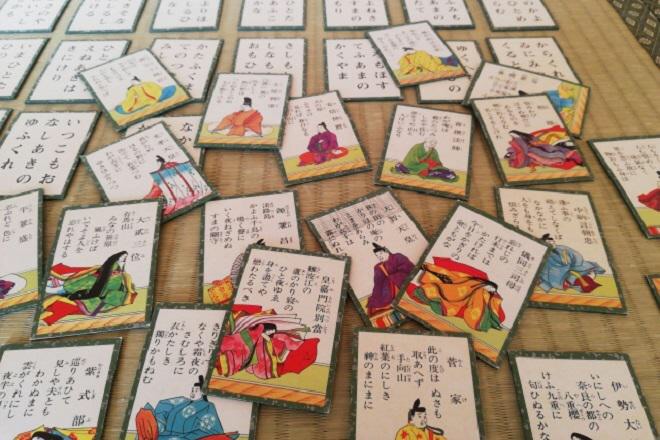
The traditional Japanese card game “Hyakunin Isshu” also depicts “Junihitoe” (12-layered kimono), a colorful kimono made up of multiple layers. It is said that at the time, aristocratic women would not show their faces to men, but would show the bottoms of their Junihitoe from inside the room to show off their color sense and intelligence.
It seems that the idea of showing off one’s charm through what one wears hasn’t changed from the past to the present.
Kimono culture continued to evolve after that, reaching its peak during the Edo period (1603-1867). Kimono, which were once reserved for aristocrats and samurai, gradually spread to people outside the upper class. However, because there were restrictions on materials and colors depending on one’s social status, wealthy merchants wore flashy embroidered kimonos, while common people were limited to drab colors. It is said that people began to enjoy fashion through kimono patterns and the way they tied their obi belts.
During the Meiji period (1868-1912), the country was strongly influenced by foreign culture, and the government’s Westernization policy stipulated that Western clothing should be worn in official settings, leading to the spread of Western clothing.
Nevertheless, many people still wore kimonos (Japanese clothing) on a daily basis, and it was only after the war that Western clothing became established as everyday wear, and kimonos became less common, becoming something to wear as formal attire on special occasions.
Kimono designs and meanings
The designs often used on kimonos actually have their own meanings.
For example, cranes are often used on kimonos worn at weddings because they represent longevity and marital harmony. Pine, bamboo, and plum are said to represent perseverance and vitality because they are resistant to heat and cold, so they are also suitable for weddings and children’s celebrations such as Shichigosan.
The most representative flower design is the cherry blossom, which blooms in spring, a time of new beginnings, and therefore represents the beginning of auspicious things.
Camellias and peonies are considered symbols of nobility, splendor, and eternal beauty.
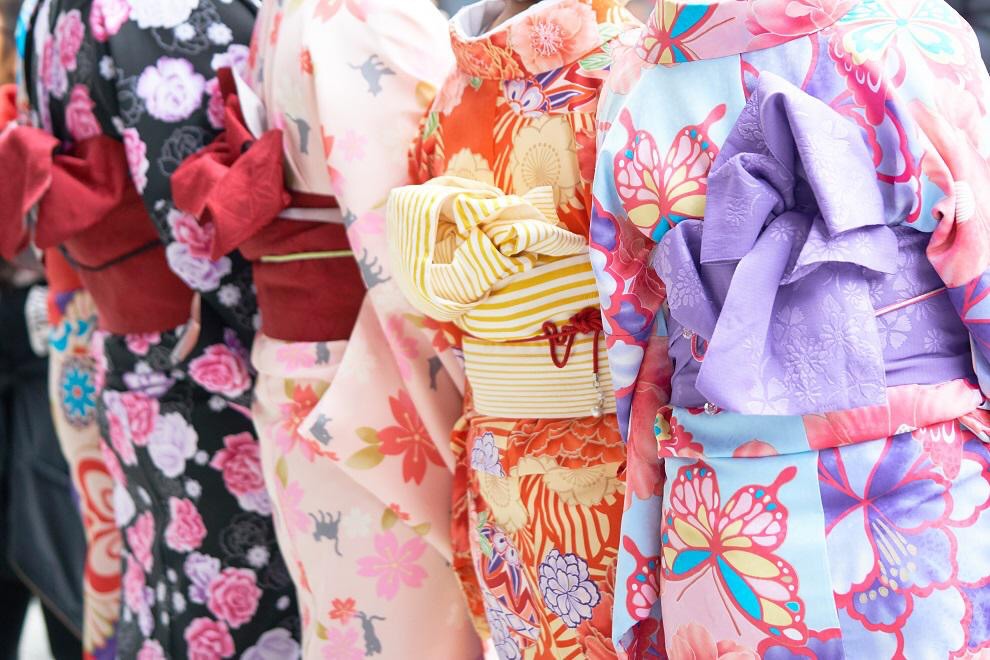
In addition, butterflies are said to be a pattern that symbolizes the healthy growth of women because they change shape as they grow, and rabbits are considered to be a symbol of prosperity of descendants.
 私の人生 小坂実
コメントを残す